
Electro Plating Finishes
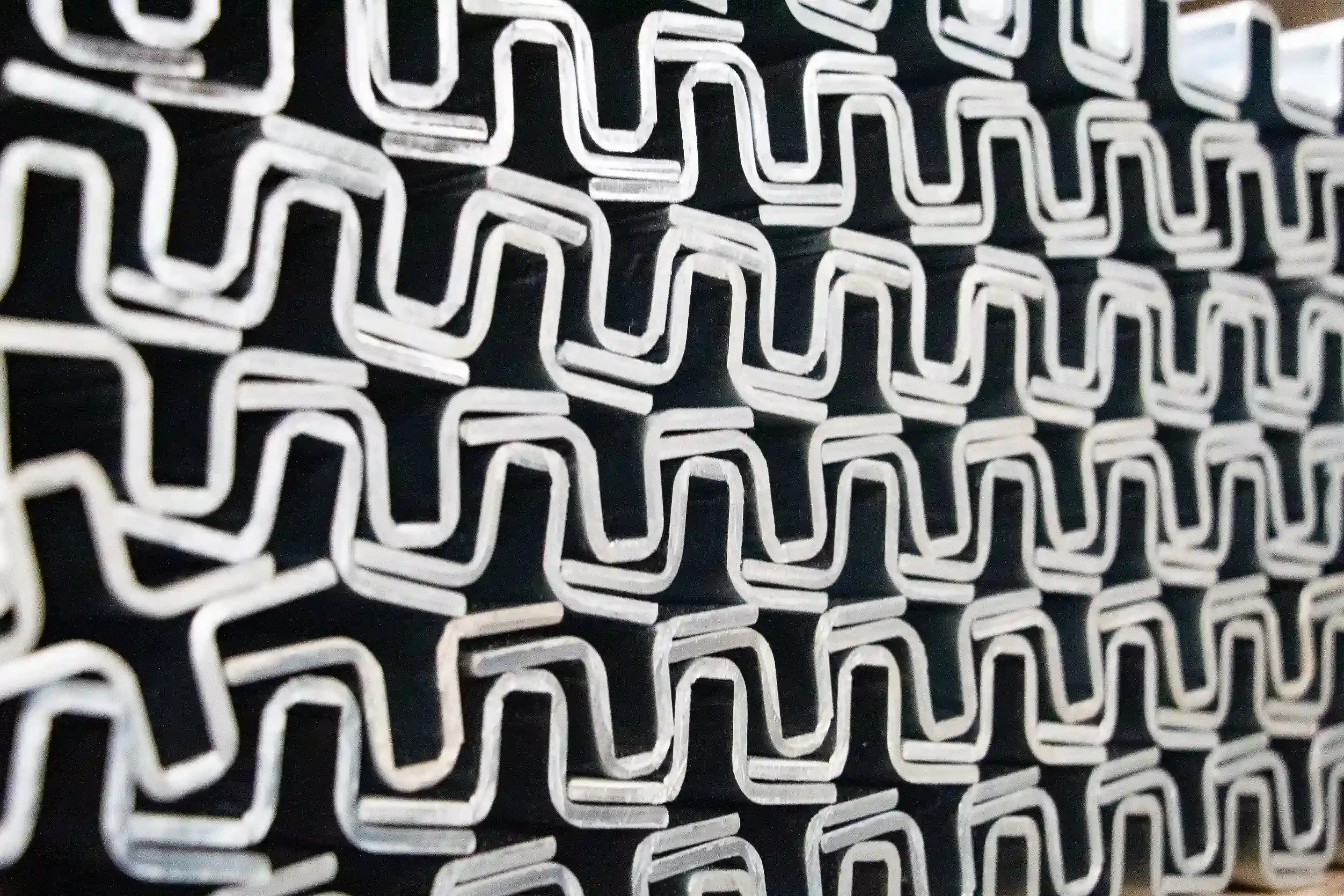
Jamestown Electro Plating offers a wide range of plating options to our customers. Whether the goal is corrosion resistance, lubrication, or for decorative purposes, our processes offer a solution.
Aluminum Chromating
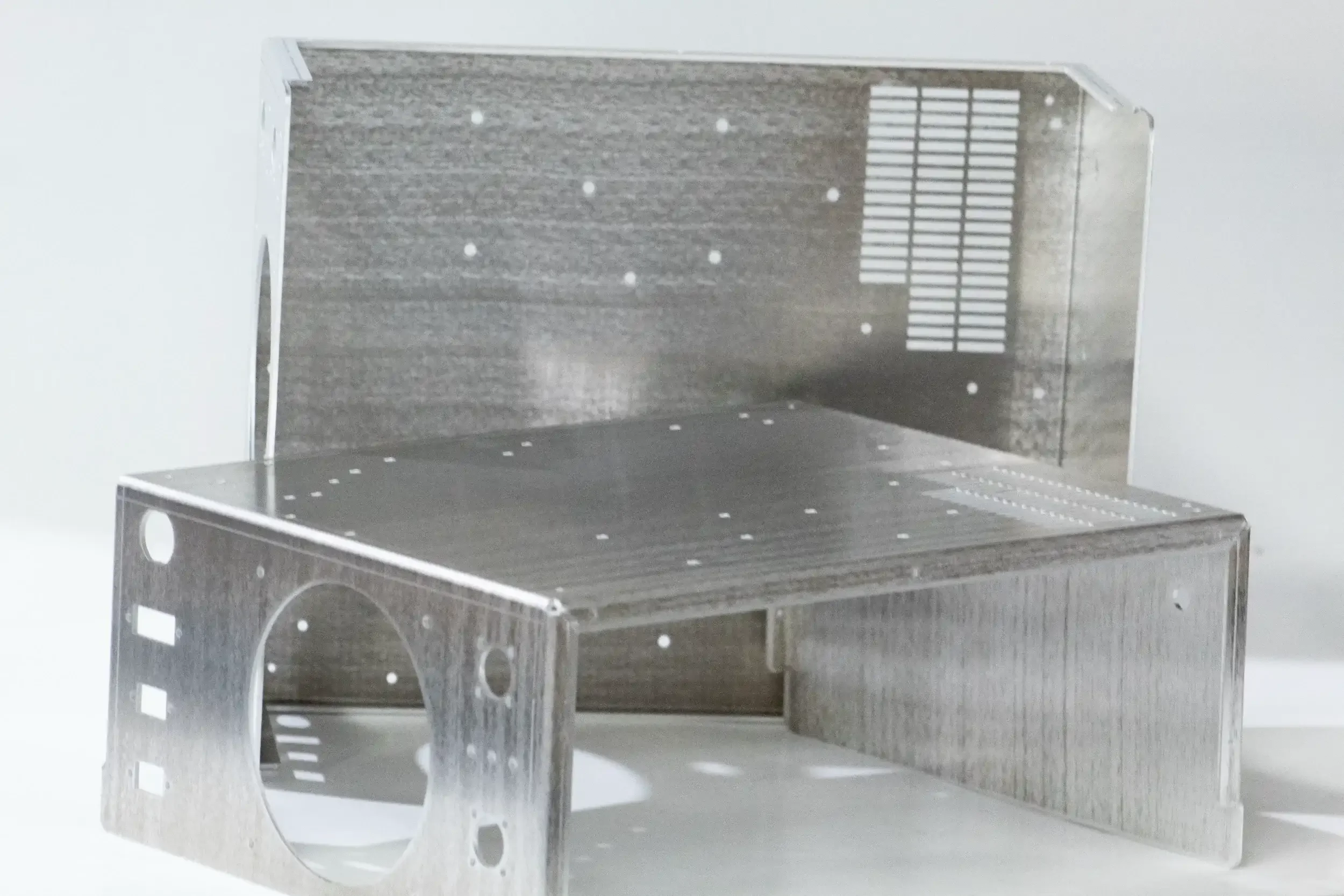
Aluminum Chromating is a type of conversion coating used to passivate steel, aluminum, zinc, cadmium, copper, silver and tin allows. Used as a corrosion inhibitor, primer, decorative finish, or to retain electrical conductivity. Due to its ability to take high heat without degradation, Aluminum Chromating also allows for greater corrosion protection in applications where the top coating is baked to cure. It’s commonly applied to everyday items such as hardware and tools, and can usually be recognized by its distinctively iridescent, greenish-yellow color.
-
Ability to self-heal small imperfections, rubs and scratches
Excellent Primer for Aluminum since Aluminum doesn’t accept paint well
Conductive surface
Corrosion Resistant
Maintains pre-process dimensions and adds no weight
Low-cost option for corrosion and wear protection
-
Chromate: Clear
Mil STD
MIL-DTL-81706 B
MIL-C-5541 (Class IA & III)
-
Rack
Basket
Size: Max (144” x 25” x 45”)
Cadmium Plating
Cadmium plating offers an excellent bonding surface for adhesives and is the preferred coating for salt-water environments. Cadmium coatings also have good lubricity, easy solderability, and other properties that are essential for reliable service life of many engineering components.
Cadmium corrodes preferentially and the substrate remains undamaged even if scratched. Proper hydrogen embrittlement and stress relief bakes are critical to the metal’s ability to remain ductile.
-
Corrosion Resistance; Chromates allow improved resistance
Low coefficient of friction & good lubricity
Predictable torque characteristics & allows repeated dismantling
Prevents jamming of fasteners or delicate mechanisms
Electrical Conductivity
Galvanic Corrosion Protection
Solderability similar to tin
Helps guarantee the safety of highly stressed components
-
Chromates: Yellow, Clear
AMS QQ-P-416 Rev. C (Type I & II)
AMS 2400 Rev. V
ASTM B766-86
Sikorsky SS 8448 Rev. 1-02
-
Rack
Barrel
Size: Inquire
Chrome Plating
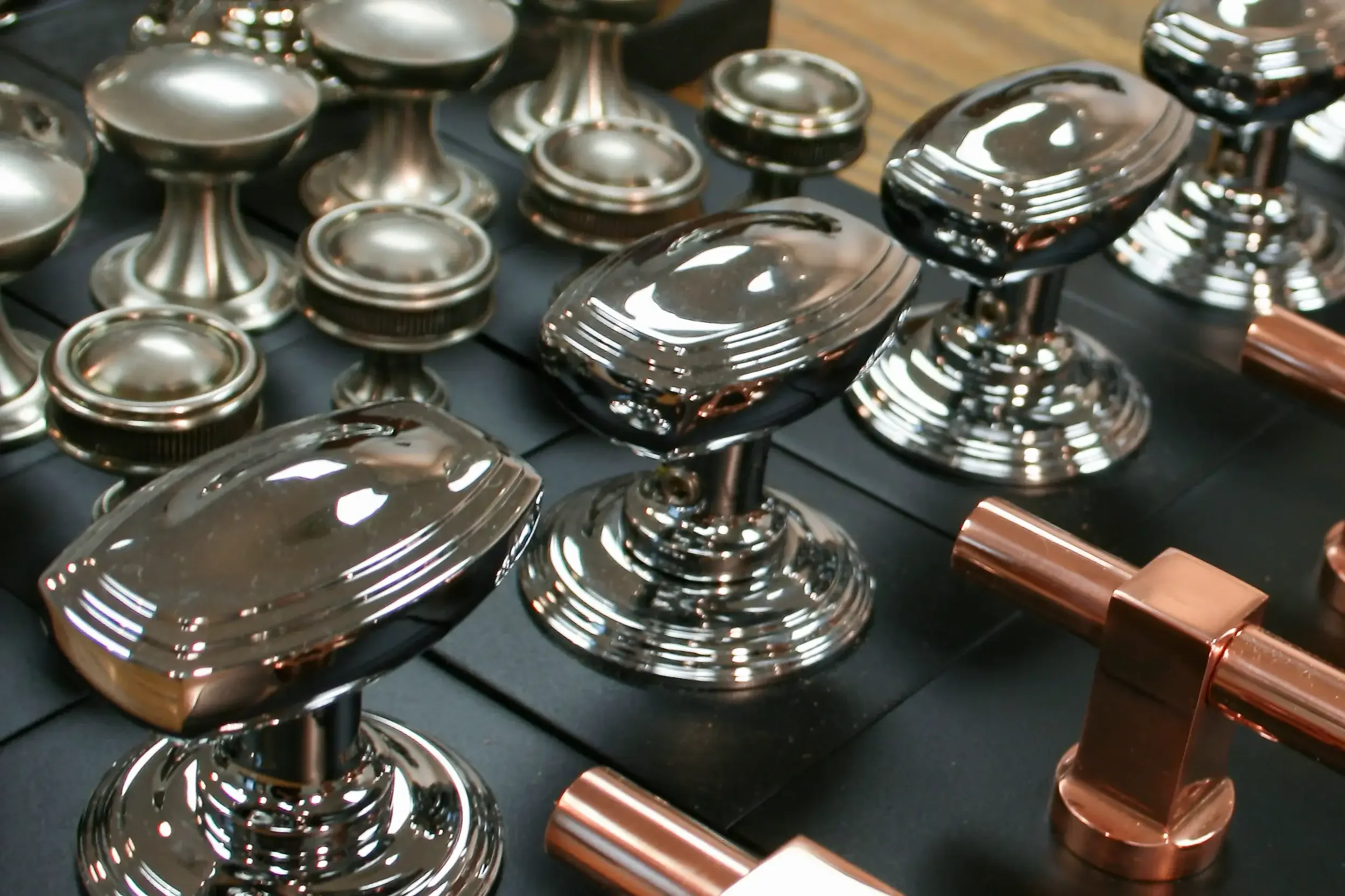
Chrome plating imparts a mirror-like finish that is highly decorative, provides corrosion resistance, ease cleaning procedures, or increased surface hardness. Chrome plating is more reflective, bluer, and more specular that other finishes. Chrome is able to take a high polished finish, resists tarnishing, and has a high melting point. Jamestown Electro Plating offers Trivalent chromium versus the environmentally unfriendly Hexavalent chromium frequently found in the plating industry.
-
Aesthetically Pleasing/Decorative Value & Easy to clean
Durable
Corrosion Resistant
Wear Resistant
Electrically Conductive
Does not Oxidize/Corrode
Capable of withstanding extremes of temperature & weather
Resistant to Moisture
Stain Resistant
Abrasion Resistant
-
???
-
Rack
Size: Max (144” x 25” x 45”)
Copper Plating
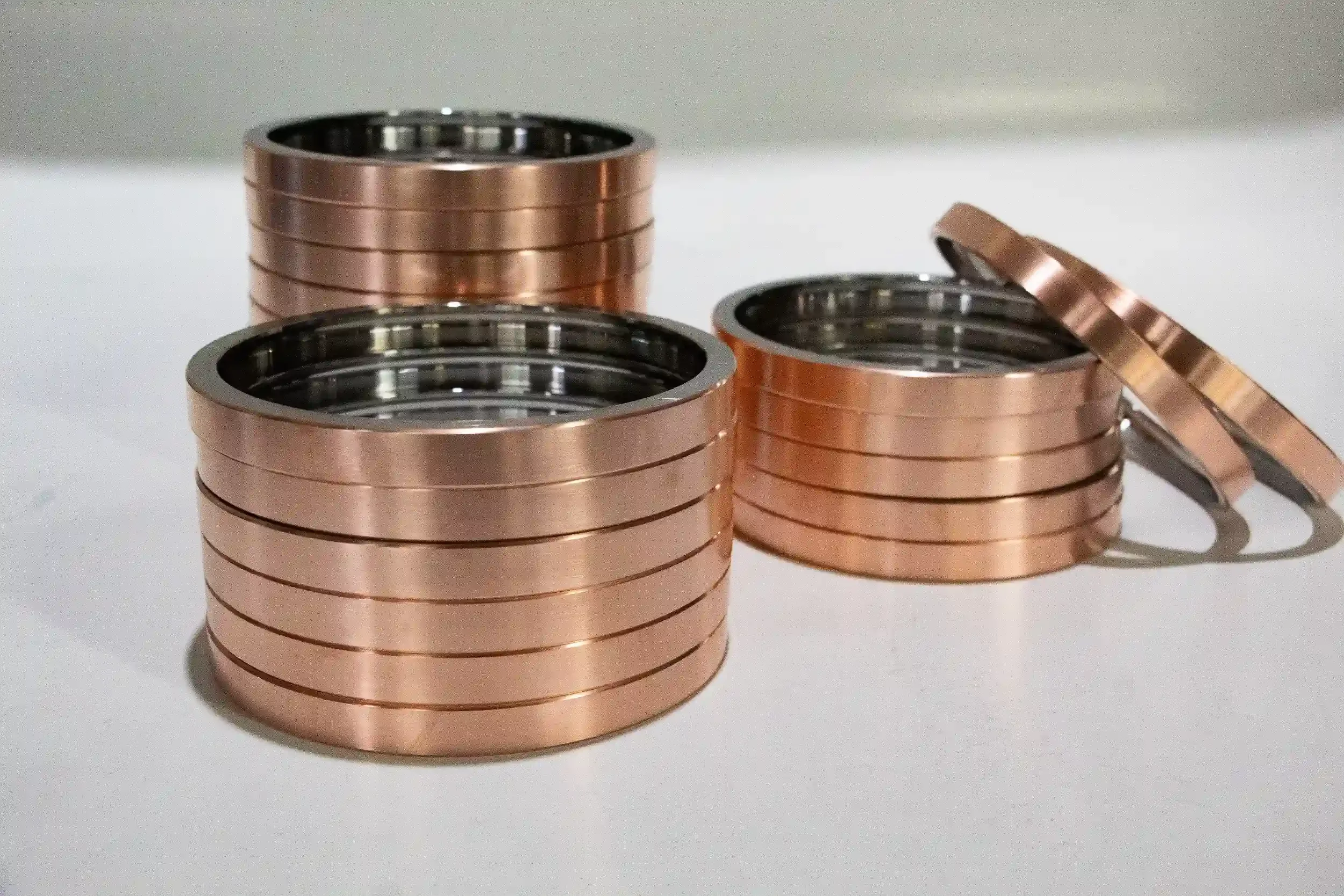
Copper plating is used in many plating operations as a strike and for thick deposits. Copper Plating is frequently used as an underplate due to its ability to adhere extremely well to a variety of different substrates. It can be used as an undercoat in situations where enhanced adhesion for additional coatings of other materials is desired. Copper is a particularly useful substance in numerous heating, industrial, and electrical applications due to its excellent thermal and conductive properties.
-
Electrically Conductive
Ductility – beneficial for metals that require flexibility; Won’t separate when bent
Adhesion
Corrosion Resistance
Cost-Effective
Great diffusion barrier
Rebuild- Used to rebuild damaged or pitted surfaces
-
AMS 2418 Rev. H
-
Rack
Barrel
Size: Max (144” x 25” x 45”)
Electrocoat
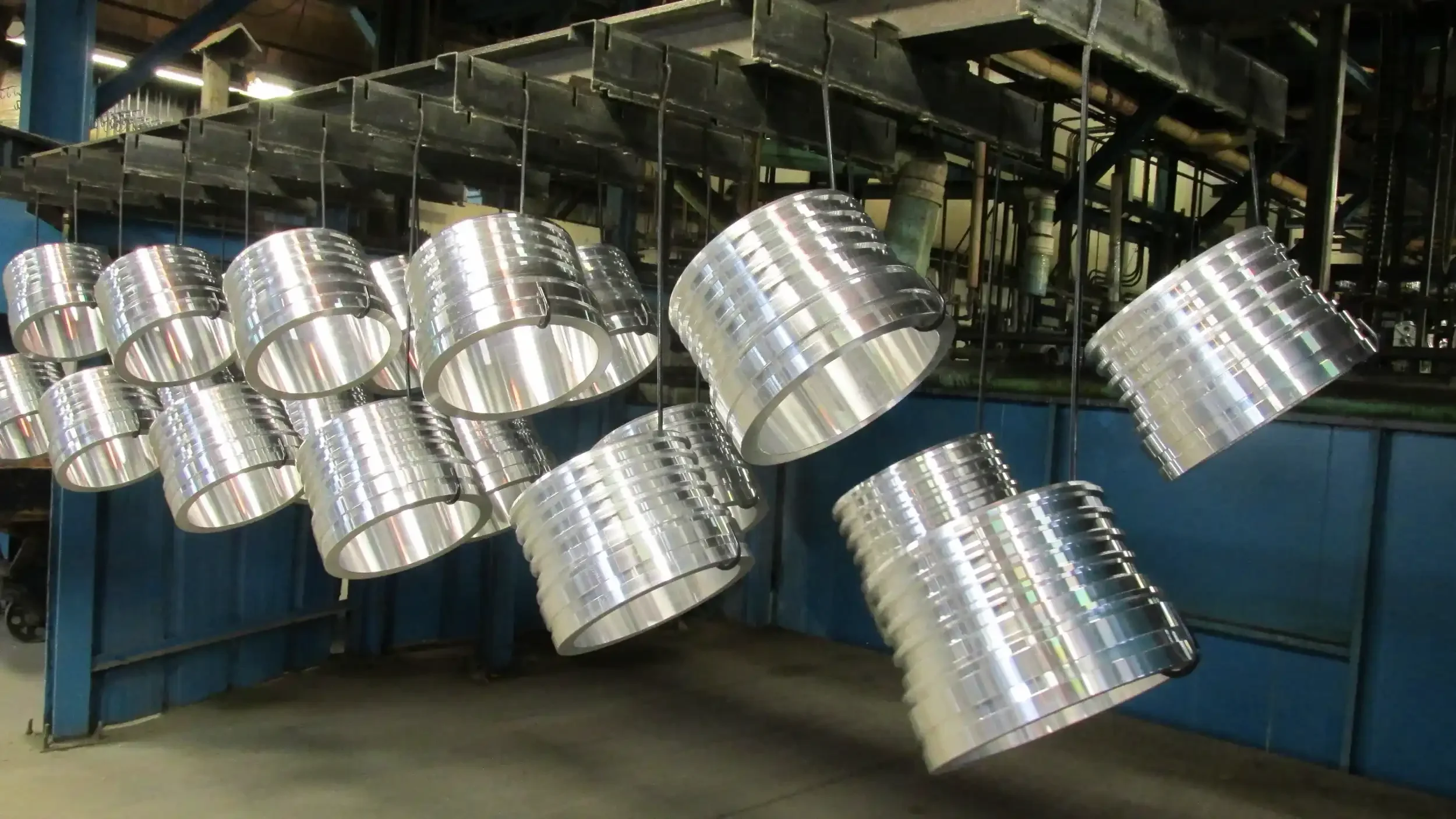
Electrocoat is a mature process that features a cathodic epoxy paint over a zinc phosphate pre-treatment that allows for corrosion protection of over 1,000 hours on a salt spray test. E-coat is considered an excellent primer coating for parts ranging from simple fasteners to radiators. E-coat is considered the benchmark for primer performance. Electrocoating readily conforms to complex configurations and yet maintains engineered tolerances on parts ensuring intended operating functions.
-
Excellent Corrosion protection; especially over sharp edges
Adhesion- excellent undercoat/primer
Excellent chip resistance
Cosmetic Appeal/Aesthetic finish
Resistance to mechanical deformations
Environmentally Friendly
Adaptable for the most complex products
-
REACH
ROHS2
-
Rack
Size: Max (144” x 25” x 45”)
Nickel Plating
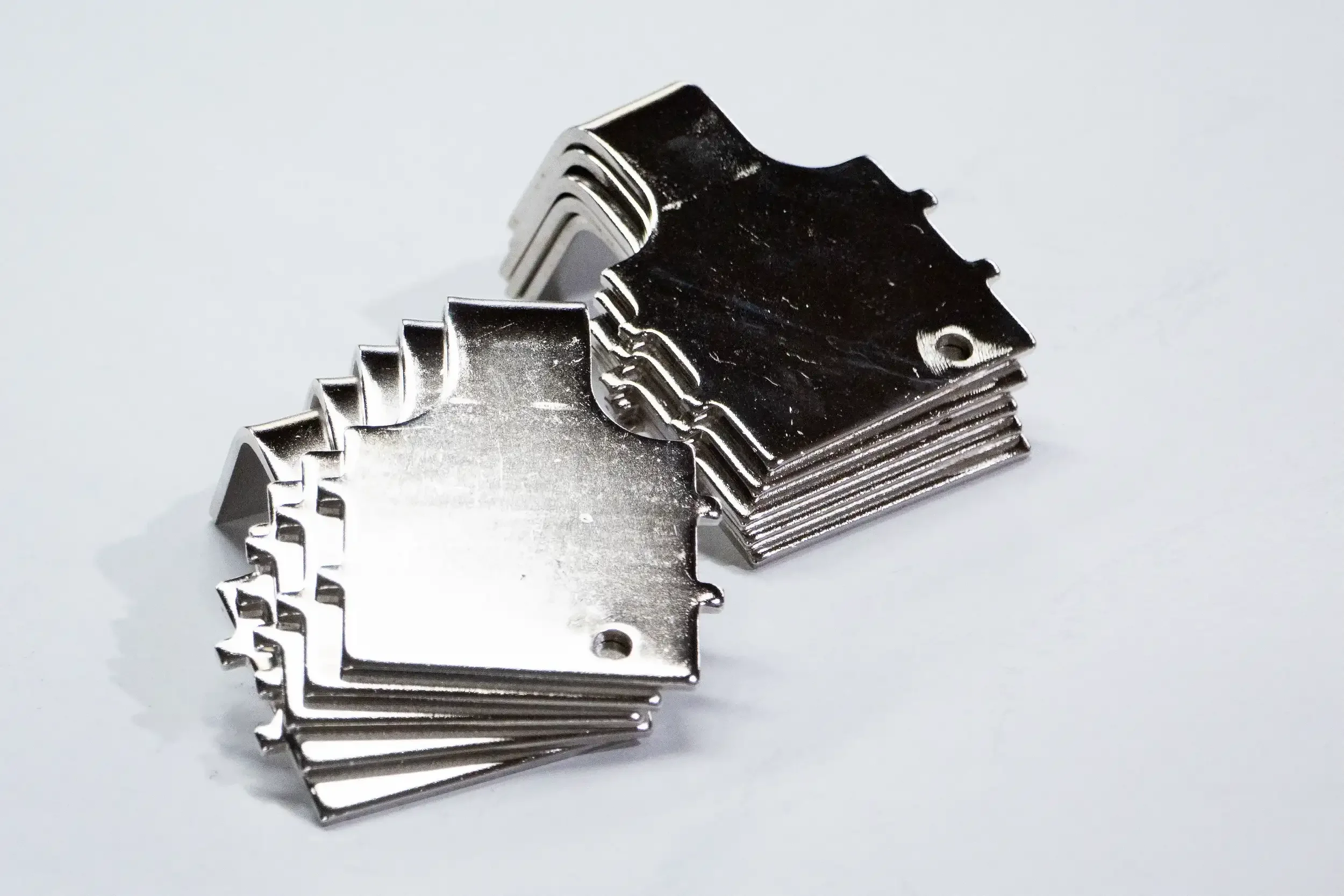
Nickel plating can be decorative, provide corrosion resistance, wear resistance, an underplate for chrome and provide lubricity. For engineering purposes, Nickel plating is often smooth and has a dull grey appearance. Dull Nickel is beneficial for wear resistance, hardness, lubricity, and magnetic purposes. Bright Nickel is mainly used for its smooth mirror-like finish and decorative value because the brighter the deposit gets the less ductile it becomes. Nickel is frequently applied in the chemical, petroleum, and food and beverage industries to prevent corrosion, maintain product purity, and prevent contamination.
-
Corrosion Resistance
Ability to protect itself against certain forms of attack by developing a passive oxide film & tarnish protection
Wear Resistance
Lubricity
Aesthetically Please/Decorative Value
Good Diffusion Barrier
Increases surface hardness
-
???
-
Rack
Barrel
Size: Max (144” x 25” x 45”)
Passivation
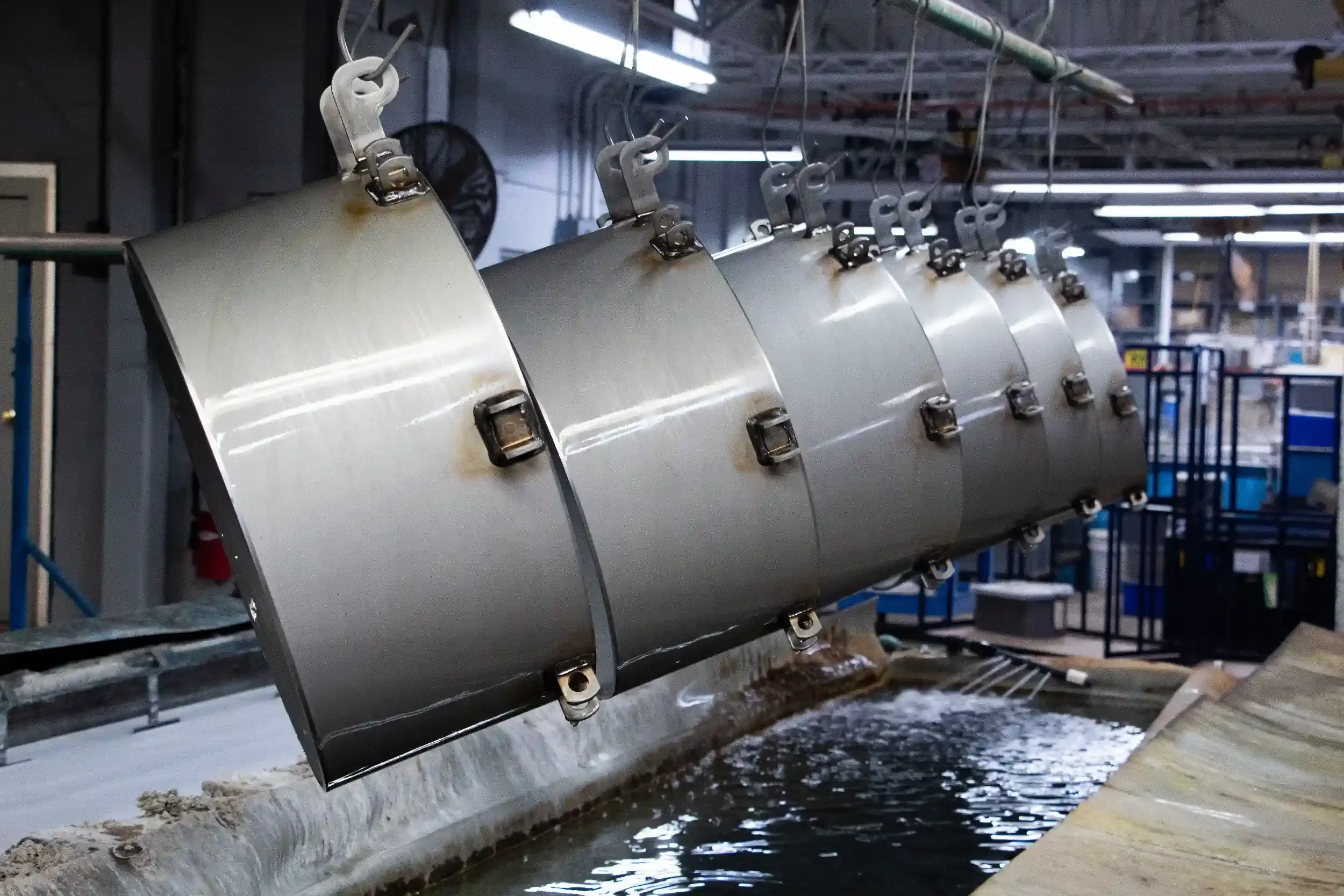
Passivation is a post-fabrication process with an end goal of making the surface more passive and corrosion resistant by restoring the surface to the original characteristics. The protective film reduces corrosion, oxidation, and mild chemical attacks. Passivation removes unwanted debris such as free iron and oils from the substrate’s surface.
In addition to its protective properties, the film can also improve the aesthetics of the treated components. Stainless steel’s most vulnerable points of corrosion lie in its grain boundaries, where iron deposits settle and corrode, oxidize, and rust. Passivation is the key to success to aid stainless steel in maintaining the metal’s overall performance integrity.
-
Improves base substrates corrosion resistance
Uniform, smooth appearance, finish & cleanliness
Deburring of polished surfaces
Improved & Extended life of product
Improved Aesthetics
No physical or dimensional changes
-
AMS QQ-P-35 (Type VI)
ASTM A967-05 (Nitric II)
Sikorsky SS 8435 Rev. 8
MIL-S-5002D (Amend 2)
-
200 & 300 Series Stainless
Rack
Basket
Size: Max (144” x 25” x 45”)
Silver-plated Copper Powder
Silver powder is widely used in electronic paste as a conductive filler. To supply the electronic paste that was less expensive, copper powder has been tried without much success because copper powder oxidizes too quick. The solution created for these two problems is to silver-plate the copper powder, reducing cost and oxidizing at the rate of silver instead of copper.
Jamestown Electro Plating has been Silver Plating Copper Powder for over 25 years for various customers. The silver content of the finished product is normally between 3.0 to 3.5 percent, but we can work with customers to develop a plating process that matches their individual copper powder.
-
Much less expensive than using pure silver powder
Can change Silver concentrations per customer requirements
Can be used as electronic paste conductive filler or added to paint, ink, glue, plastic, rubber, etc. as a conductive filler
Used in the manufacturing of carbon brushes and in the electronics, communications, printing, aerospace, etc. industries
-
???
-
25# of copper powder per load
Silver Plating
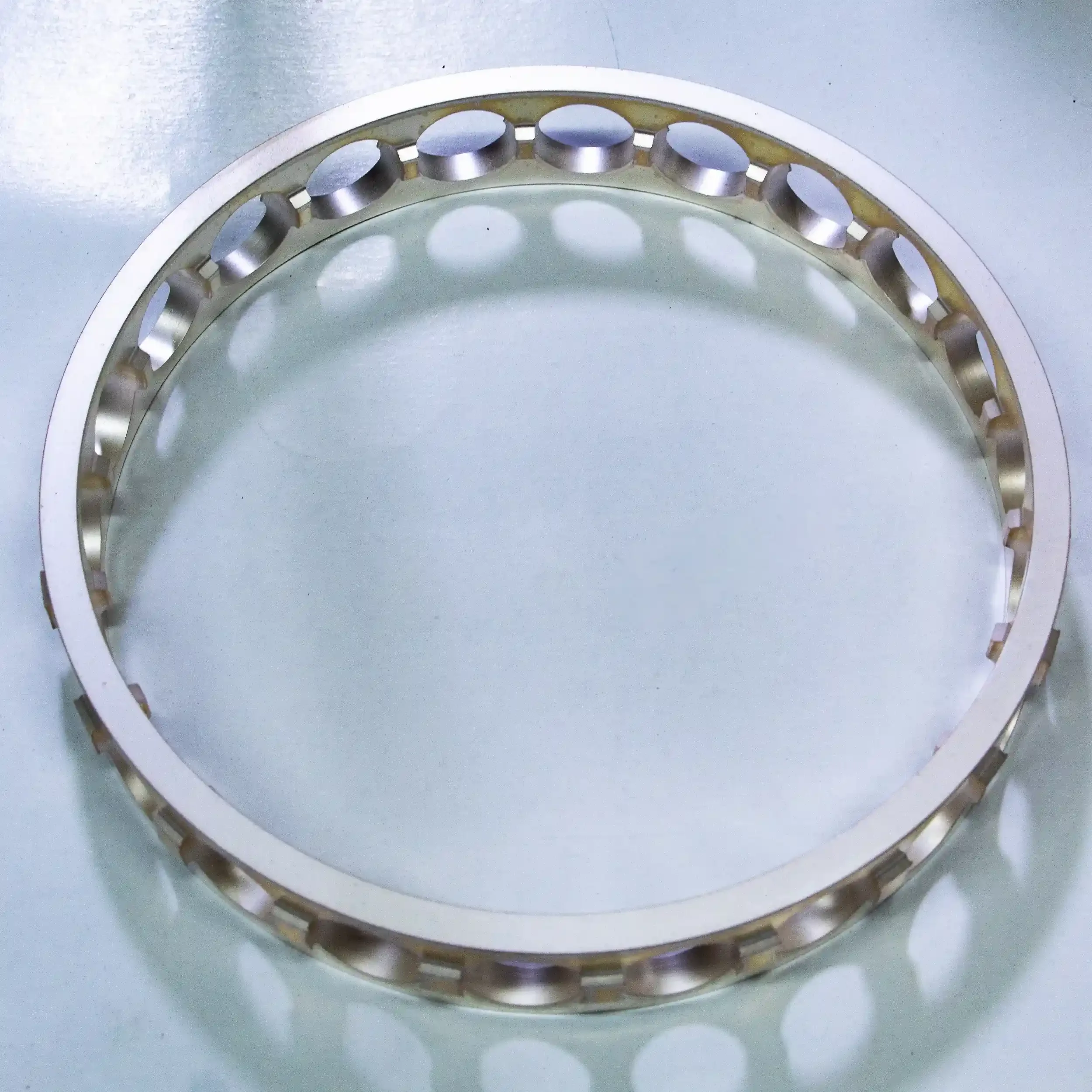
Silver plating is a nearly white colored pure precious metal that has many plating benefits. Silver offers excellent high-temperature lubricity, making it an excellent coating for anti-galling and anti-seizing applications on high-temperature nuts and bearing surfaces with service temperatures up to 1200°F. Because of the amazing properties of silver, this metal can be highly useful depending on your metal plating needs and specifications and an economical choice compared to other precious metals such as gold and platinum.
We perform silver plating for companies including Boeing, Bell Helicopter, Sikorsky, Pratt & Whitney, G.E., Columbia, and RocketDyne.
-
Highly ductile
Highest electrical & thermal conductivity of all metals
Highest optical reflectivity in the visible range
Excellent solderability & wire bonding ideal for lead frames & circuit applications
Malleable
Excellent lubricity
Decorative Value/Appearance
-
AMS 2410 Rev. J
AMS 2412 Rev. J
ASTM B700-97
-
Rack
Barrel
Size: Inquire- Specify Aerospace or Commercial
Tin Plating
Tin Plating is a soft and ductile metal that varies from matte ray to a bright white color. Tin has excellent solderability, therefore it is used extensively in the electronics industry. Tin is a useful metal for the food processing industry since it is non-toxic and fairly corrosion resistant. Tin is very soft and malleable so it can be transformed into a variety of shapes without cracking.
-
Non-Toxic
Ductile
Corrosion & Oxidation Resistant
Good Conductivity
Enhances solderability of substrates & reflow ability
Very malleable
Excellent lubricity
Resistance welding is possible after deposition of tin
FDA Approved
Low porosity
-
AMS 2408 Rev. J
-
Rack
Barrel
Size: Inquire
Zinc Plating
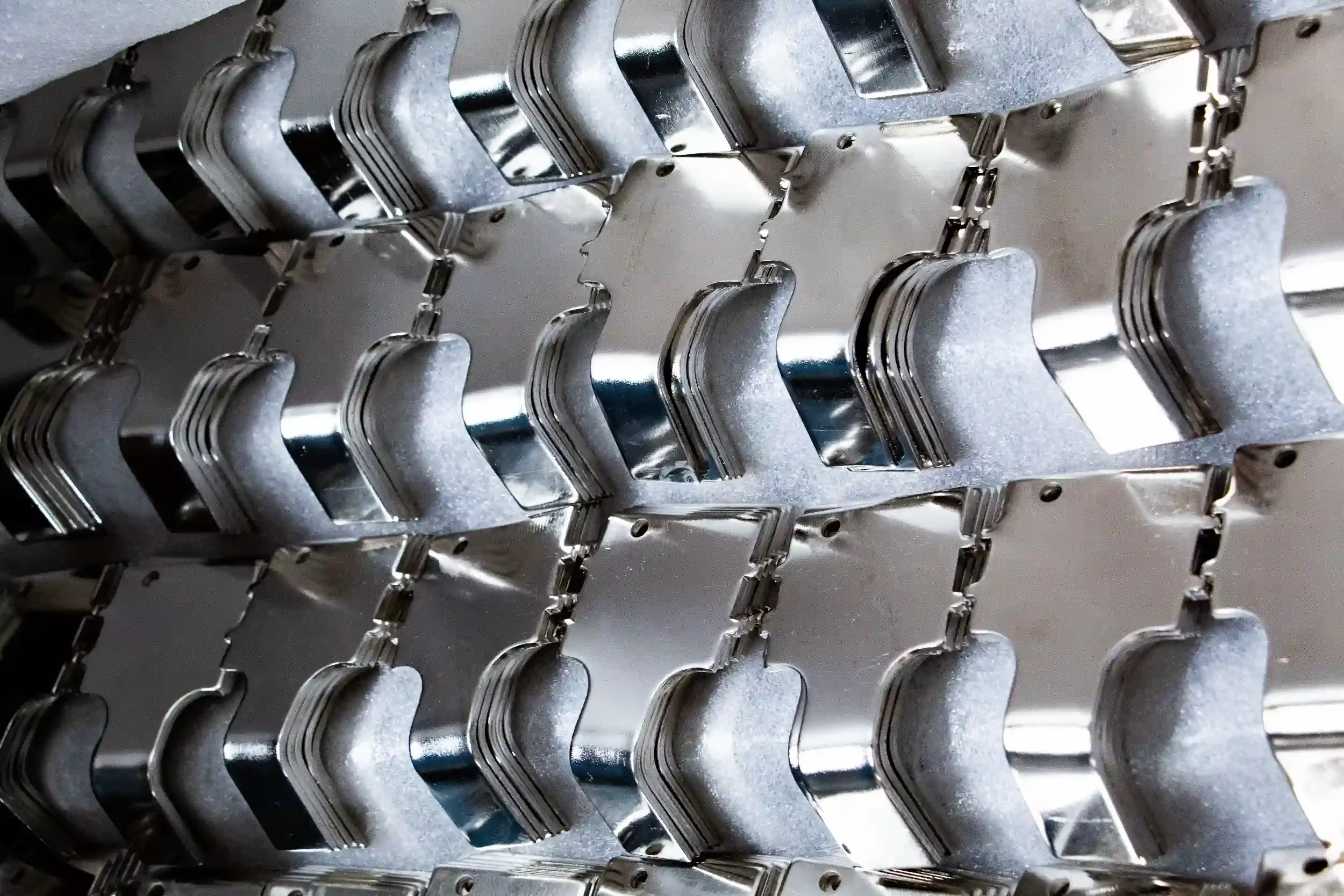
Zinc plating materials are characterized by a dull gray color with a matte finish but can achieve a bluish-white metal appearance when accompanied by clear chromate. Zinc is the best ally of steel to combat corrosion. The relatively low cost, protection, and attractive appearance of zinc plating makes it a popular coating for nuts, bolts, washers, automotive components, and even an effective undercoat for paints. Jamestown Electro Plating offers Trivalent Clear Chromate versus the environmentally unfriendly Hexavalent Chromate frequently found in the plating industry.
-
Corrosion & Oxidation Resistance
Reduces abrasion & wear
Improves lubricity
Creates a non-toxic surface
Aesthetically pleasing/decorative
Excellent ductility & adhesion
Low stress deposit
Excellent chromate conversion coating receptivity
Cost-Effective & ease of application
Undercoat for paint applications
Chromates, when applied, can improve visual appearance and corrosion protection
-
ROHS & REACH Compliant
ASTM B633-11 (Type I & III)
Chromates: Yellow, Clear
-
Rack
Barrel
Size: Max (144” x 30” x 40”)